








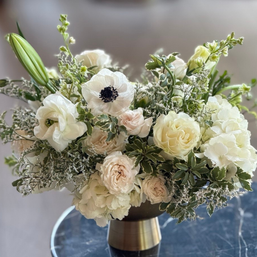


The January birth flower tradition honors two remarkable blooms: the enduring carnation and the delicate snowdrop. Together, these flowers capture the essence of the year’s beginning—strength, loyalty, hope, and quiet optimism. Blooming during the coldest weeks of winter, they symbolize resilience and the ability to thrive even in challenging conditions.
As the primary January flower, the carnation is admired for its long vase life, vibrant color range, and deep cultural symbolism. The snowdrop, often called the true January flower of the month, is cherished for its understated beauty and powerful message of renewal. Whether you are celebrating a winter birthday, exploring January birth flower meaning, or considering a January birth flower tattoo, these blooms provide a meaningful way to honor life at the start of the year.
What Is January’s Birth Flower?
The answer to what is January’s birth flower is a unique pairing: carnation and snowdrop. Unlike other months that rely on spring or summer blooms, January’s flowers are defined by their ability to bloom or endure during winter.
Carnations remain fresh and vibrant even in cold conditions, while snowdrops push through frozen ground as one of the earliest signs of life after winter. Together, they represent emotional strength, perseverance, and hope—qualities often associated with January-born individuals.
Why January Has Two Birth Flowers
January has two birth flowers to represent balance and contrast at the beginning of the year.
- Carnation symbolizes love, fascination, loyalty, and distinction.
- Snowdrop symbolizes hope, purity, rebirth, and quiet resilience.
This dual tradition allows people to choose a birth flower for January based on personality, symbolism, or the message they want to convey. Some gravitate toward the bold, expressive carnation, while others prefer the gentle, symbolic snowdrop. Together, they offer versatility for gifting and personal expression.
What Is Carnation Flower Meaning & Symbolism?

The carnation flower meaning is rooted in love, fascination, and enduring devotion. Its botanical name, Dianthus, translates to “flower of the gods,” highlighting its long-standing importance in history and culture.
As a January birth flower, the carnation reflects loyalty, emotional depth, and perseverance. Its ruffled petals symbolize layers of personality, while its spicy, clove-like fragrance adds warmth to winter spaces. Because carnations are among the longest-lasting cut flowers, they are often associated with relationships that endure through time and hardship.
Carnation Colors and Their Unique Meanings
Carnations are especially meaningful because their symbolism changes with color:
- Red carnations: Deep love, admiration, and passion
- Pink carnations: Gratitude, affection, and maternal love
- White carnations: Purity, good luck, and new beginnings
- Striped carnations: Emotional complexity and contrast
- Yellow carnations: Modern interpretations of cheer and positivity during winter
This range makes carnations ideal for personalized January birthday bouquets.
Carnation History and Cultural Significance
Carnations have been cultivated for more than 2,000 years. In ancient Greece and Rome, they were used in ceremonial crowns and religious celebrations. Over time, they became known as “the flower of the people” due to their affordability and durability.
In the United States, carnations gained prominence as the official flower of Mother’s Day, symbolizing unconditional love. Despite their widespread use, their role as a January birth flower remains one of their most meaningful associations.
How Carnations Are Used in Winter Bouquets and Décor
Carnations are a staple in winter floral design because they:
- Hold their shape in cold environments
- Provide volume and texture
- Pair well with winter greenery
They are commonly combined with eucalyptus, cedar, pine, and silver foliage to create elegant winter arrangements. Their durability makes them ideal for both large-scale events and everyday winter décor.
Celebrate a January Birthday: Explore our curated collection of carnation arrangements designed to bring warmth to the winter season.
What Is Snowdrop Flower Meaning & Symbolism?

The snowdrop flower meaning centers on hope, purity, and renewal. Known for blooming through snow, the snowdrop is a symbol of quiet strength and optimism.
As a snowdrop birth flower, it represents humility and the courage to begin again. Its downward-facing, bell-shaped bloom suggests modesty and grace, reminding us that even small beginnings can carry great significance.
History and Legends of the Snowdrop
Snowdrops have deep roots in European folklore. One legend tells of an angel transforming snowflakes into snowdrops to give Adam and Eve hope after leaving the Garden of Eden. This story reinforces the snowdrop’s enduring symbolism of hope in times of hardship.
Throughout history, poets and artists have celebrated snowdrops as harbingers of spring and symbols of renewal.
Snowdrop in Winter Gardens and Floral Designs
In gardens, snowdrops naturalize easily, creating carpets of white in late January and early February. In floral design, they are considered specialty flowers due to their delicate stems and short vase life.
Because of this fragility, snowdrops are often gifted as:
- Small posy bouquets
- Potted bulbs
- Living arrangements with moss and stone
How to Use Snowdrops in January Arrangements
Snowdrops work best in minimalist designs. Display them in clear glass vases or moss-based arrangements to highlight their subtle green markings. They pair beautifully with paperwhites, hellebore, and early greenery for a refined winter aesthetic.
Carnation and Snowdrop — Two January Flowers Compared

The main difference between these January birth flowers lies in expression:
- Carnation: Bold, expressive, long-lasting
- Snowdrop: Subtle, symbolic, ephemeral
Together, they represent the dual nature of January—strength paired with hope, leadership balanced by vision.
Color and Symbolism Differences
Carnations offer a wide spectrum of colors and meanings, making them ideal for expressing specific emotions. Snowdrops, always white, deliver a universal message of purity and renewal.
Bouquet Pairings and Gifting Occasions
For January birthdays, combining carnations with snowdrop-inspired accents creates contrast and depth. These flowers are also suitable for:
- New Year celebrations
- Winter weddings
- Comforting “thinking of you” gifts
They remind recipients that warmth and beauty exist even in the coldest seasons.
What Do January Flowers Say About Your Personality?
The January birth flower meaning suggests loyalty, resilience, and emotional strength. Like these flowers, January-born individuals often thrive under pressure and provide stability to those around them.
Birth Flower for January and Zodiac Connections
- Capricorn (Dec 22 – Jan 19): Disciplined, ambitious, reliable → carnation
- Aquarius (Jan 20 – Feb 18): Visionary, humanitarian, hopeful → snowdrop
January Birth Flower Traits and Character Insights
Those drawn to carnations are often devoted and protective, valuing long-term relationships. Those who resonate with snowdrops tend to possess quiet strength and an optimistic outlook, inspiring others through subtle actions rather than bold statements.
January Birth Flower Tattoo Ideas
A January birth flower tattoo symbolizes resilience, love, and new beginnings. Popular designs include:
- Detailed carnation tattoos highlighting ruffled petals
- Minimalist snowdrop tattoos symbolizing hope
- Combined designs representing balance and growth
These tattoos serve as permanent reminders of strength and optimism.
Conclusion
The January birth flower pairing of carnation and snowdrop beautifully reflects the strength and hope required to begin a new year. From the carnation’s symbolism of enduring love to the snowdrop’s message of renewal, these blooms honor January birthdays with depth and meaning.
At Pink Clover, we believe every flower tells a story. Shop our exclusive January birth flower collection today and send a message of warmth, love, and optimism this winter.
FAQs
Why does January have two birth flowers?
January has two birth flowers to represent both enduring affection and hopeful renewal.
What is the flower for a January birthday tattoo?
Carnations are popular for detailed designs, while snowdrops are favored for minimalist symbolism.
What does a snowdrop symbolize?
Hope, purity, and the promise of renewal.
Is snowdrop flower rare?
Not rare in nature, but considered a specialty flower due to its short season.
What do January flowers say about your personality?
They suggest loyalty, resilience, and quiet optimism.
How do I style winter bouquets with carnations and snowdrops?
Use carnations for color and volume, and snowdrops for delicate contrast with winter greenery.
What does the carnation symbolize in January birthdays?
Fascination, distinction, and enduring love.