


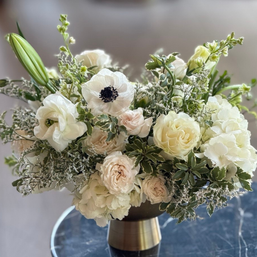
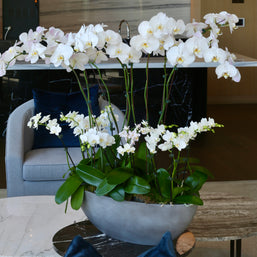

Floral therapy has become an increasingly recognized supportive practice in hospitals and rehabilitation centers across the United States. While not a replacement for medical treatment, it is widely used as a complementary approach to support emotional well-being, reduce stress, and improve patient experience during recovery. At Pink Clover, floral therapy is approached with structure, intention, and sensitivity to clinical environments.
Our floral therapy programs are designed specifically for hospitals, rehabilitation centers, outpatient facilities, and long-term care environments. Each program is developed with patient safety, accessibility, and therapeutic impact in mind.
WHAT IS FLORAL THERAPY

Floral therapy is a form of therapeutic engagement that uses flowers and plants as tools to support emotional, cognitive, and sensory well-being. In clinical and rehabilitation settings, it is commonly used to help patients reduce anxiety, improve mood, increase focus, and regain a sense of connection and normalcy during treatment or recovery.
In hospitals and rehab centers, floral therapy is typically structured and guided. It may include observing flowers, interacting with them through simple activities, or participating in supervised floral-based sessions adapted to a patient’s physical and cognitive abilities.
WHY FLORAL THERAPY IS USED IN HOSPITALS AND REHABS

Healthcare environments can be emotionally challenging. Patients often experience stress, uncertainty, fatigue, and a loss of control over their daily routines. Floral therapy helps address these challenges by introducing natural elements that engage the senses in a calm and non-invasive way.
Studies and long-standing clinical practice show that exposure to natural elements, including flowers, can support relaxation and emotional regulation. In rehab settings, floral therapy is often used to encourage gentle engagement, especially for patients recovering from injury, surgery, neurological conditions, or long-term illness.
Multiple peer-reviewed studies confirm the positive impact of flowers and plants in medical environments. Research published by the American Society for Horticultural Science showed that patients exposed to flowers or plants experienced lower stress levels, improved mood, and increased feelings of comfort during hospitalization.
A well-known clinical study by the Texas A&M University found that visual exposure to plants can reduce stress responses, including measurable decreases in blood pressure and heart rate in controlled environments.
Hospitals and rehabilitation centers use floral therapy because it:
-
Helps reduce stress and anxiety levels
-
Creates a more welcoming and human-centered environment
-
Encourages patient participation without physical strain
-
Supports emotional recovery alongside medical care
HOW FLORAL THERAPY SESSIONS ARE PERFORMED

Floral therapy sessions are adapted to the setting and the patient group. In hospitals, sessions are often short, calm, and designed to fit into existing care schedules. In rehabilitation centers, sessions may be more interactive and recurring.
Common formats include guided observation of flowers, simple hands-on activities using safe floral materials, or group sessions focused on sensory engagement and relaxation. All activities are adjusted based on patient mobility, energy levels, and clinical guidelines.
At Pink Clover, we work closely with facility staff to ensure floral therapy sessions align with institutional protocols and patient needs.
BENEFITS FOR DIFFERENT PATIENT GROUPS

Floral therapy is used across a wide range of patient populations. In rehabilitation centers, it is often integrated into recovery programs for patients undergoing physical therapy, occupational therapy, or neurological rehabilitation.
For long-term care and recovery patients, floral therapy can help establish routine, improve mood stability, and provide a sense of purpose through gentle engagement. In hospital environments, it can offer comfort during extended stays or difficult treatment periods.
Floral therapy is also commonly used in mental health and emotional recovery settings, where calm, structured activities are essential.
Clinical observation: Visual interaction with flowers and plants has been shown to trigger a parasympathetic nervous system response. This response helps lower cortisol levels and can contribute to reduced blood pressure and slower heart rate.
In healthcare settings, this effect is especially valuable because it provides stress relief without physical exertion, medication, or cognitive strain, making it suitable for patients at different stages of recovery.
PATIENT EXPERIENCES WITH FLORAL THERAPY
A patient recovering from orthopedic surgery described floral therapy sessions as one of the few moments during the week that felt calm and familiar. She noted that focusing on flowers helped distract from pain and reduced feelings of anxiety during her hospital stay.
In a rehabilitation center, a stroke recovery patient shared that interacting with flowers helped him regain confidence in small hand movements. The activity felt non-clinical and allowed him to participate without fear of failure.
A long-term care patient reported that weekly floral sessions became something to look forward to, helping structure time and improve overall mood during recovery.
FLORAL THERAPY IN REHABILITATION CENTERS
In rehab environments, floral therapy is often part of a broader therapeutic approach. It may be used to support fine motor skills, encourage focus, or simply provide a non-clinical activity that helps patients feel more at ease.
Rehab centers value floral therapy because it is adaptable, low-risk, and inclusive. Sessions can be adjusted for individuals or groups, making it suitable for a wide range of recovery stages.
SAFETY, ACCESSIBILITY, AND CLINICAL CONSIDERATIONS
Safety is a priority in any medical environment. Floral therapy programs are designed to meet hygiene standards, avoid allergens when required, and use materials appropriate for healthcare settings. All arrangements and activities are planned to ensure patient safety and comfort.
Accessibility is also essential. Floral therapy activities are adapted to different levels of mobility, cognitive ability, and sensory sensitivity. This allows more patients to participate meaningfully.
Floral therapy programs used in healthcare settings often align with principles promoted by organizations such as the American Horticultural Therapy Association, which supports the structured and ethical use of plant-based activities in therapeutic environments.
While floral therapy is not a medical treatment, programs are commonly adapted to meet institutional guidelines, infection control standards, and patient safety protocols established by healthcare facilities.
HOW PINK CLOVER APPROACHES FLORAL THERAPY

Pink Clover approaches floral therapy with professionalism and care. We do not offer generic activities. Each program is structured to meet the needs of the specific facility and patient population.
Our services may include:
-
Planning and coordination with hospital or rehab staff
-
Development of floral therapy session formats
-
Delivery of appropriate floral materials
-
On-site guided sessions or scheduled programs
-
Ongoing support for recurring therapy initiatives
We work with hospitals and rehabilitation centers to ensure floral therapy is integrated smoothly into existing care environments.
FLORAL THERAPY AS PART OF A HOLISTIC CARE EXPERIENCE
Modern healthcare increasingly recognizes the importance of emotional well-being alongside physical treatment. Floral therapy supports this holistic approach by creating moments of calm, engagement, and connection in environments that are often stressful.
For hospitals and rehabilitation centers, floral therapy is a meaningful way to enhance patient experience, support recovery, and create a more welcoming atmosphere for patients, families, and staff.
PRACTICAL GUIDELINES FOR FLORAL THERAPY IN HEALTHCARE SETTINGS
When selecting flowers for hospitals and rehabilitation centers, low-allergen options are typically preferred. Flowers with minimal pollen release and limited fragrance are often used to reduce sensitivity risks.
Arrangements should be designed for easy viewing without requiring physical strain. Containers must be stable, easy to clean, and appropriate for clinical environments.
Floral therapy sessions should always be coordinated with facility staff to ensure compatibility with patient care schedules, hygiene requirements, and safety protocols.