









Knowing what to write in a sympathy card can feel weirdly hard. You care. You want to say something kind. But grief is such a tender thing that even simple words can suddenly feel too small, too formal, or just wrong.
That is exactly why people search for sympathy card messages, condolence messages, and short sympathy messages so often. When someone has lost a loved one, you do not need a perfect speech. You do not need to sound poetic. You just need to sound human, sincere, and respectful.
The best sympathy messages usually do three things:
- acknowledge the loss
- express care or support
- avoid trying to explain grief away
This guide is built to help with that. Below, you will find what to write in a sympathy card, message templates by relationship, short examples you can actually use, what not to say, and a few practical tips so your message feels warm instead of awkward.
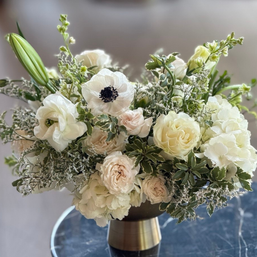
If you are also sending flowers, you can pair your note with a respectful arrangement from our Sympathy & Funeral Flowers Los Angeles collection.

Why Sympathy Cards Matter More Than Perfect Words
When someone is grieving, they are not grading your writing. They are feeling loss, shock, exhaustion, and sometimes total emotional overload. A sympathy card matters because it shows presence. It tells them someone paused, thought of them, and reached out.
That is the real point.
A good card does not need to be long. In fact, many of the best short sympathy messages are only one or two sentences. What matters is tone. You want the message to feel:
- sincere
- gentle
- appropriate to your relationship
- free from clichés that can sound dismissive
That is why the safest approach is usually simple language. A heartfelt “I’m so sorry for your loss” often lands better than a long paragraph trying to explain suffering.
If you are including flowers with your card, a soft arrangement from Condolence Flowers or White Flower Arrangements can match that same respectful tone.
The Basic Formula for What to Write in a Sympathy Card
If you are stuck, use this simple structure:
1. Acknowledge the loss
Start by naming the loss in a straightforward, kind way.
Examples:
- “I’m so sorry for your loss.”
- “I was so sorry to hear about your mother.”
- “My heart goes out to you and your family.”
2. Express sympathy or care
Let them know you are thinking of them.
Examples:
- “I’m thinking of you during this difficult time.”
- “Sending you love and heartfelt sympathy.”
- “You are in my thoughts and prayers.”
3. Add a personal line if appropriate
If you knew the person who died, this makes the message feel more genuine.
Examples:
- “Your father was such a warm and generous person.”
- “I will always remember how kind your sister was.”
- “Your mom brought so much light to the people around her.”
4. Close with gentle support
End simply.
Examples:
- “With deepest sympathy.”
- “Sending you love.”
- “Please know I’m here for you.”
That is it. You do not need more unless you truly want to say more.
Short Sympathy Messages You Can Use Right Away
Sometimes you just need something clean, respectful, and ready to go. These short sympathy messages work well for most situations.
- “With deepest sympathy.”
- “I’m so sorry for your loss.”
- “Thinking of you and your family.”
- “Sending love and comfort.”
- “Wishing you peace and strength.”
- “Keeping you in my thoughts.”
- “My heart is with you during this difficult time.”
- “Please accept my heartfelt condolences.”
- “Sending you my sincere sympathy.”
- “Holding you close in my thoughts.”
These are especially useful if:
- you are sending flowers
- you do not know the person extremely well
- you want the tone to stay respectful and simple
If you are pairing a short card with flowers, our Sympathy Flowers Los Angeles page has elegant arrangements that work well with brief condolence notes.

Sympathy Card Messages by Relationship
The best message changes depending on who you are writing to. A note to a best friend should not sound like a note to a coworker. Here is how to adjust your tone without overthinking it.
What to write in a sympathy card to a friend
When the person grieving is a friend, your message can be warmer and more personal. You do not need to sound formal. You just need to sound real.
Message ideas for a friend
- “I’m so sorry you’re going through this. I’m here for you in any way you need.”
- “My heart breaks for you. I’m thinking of you every day.”
- “I’m so sorry for your loss. Please don’t go through this alone.”
- “I wish I could make this easier. I’m here, and I’m holding you close in my heart.”
- “Sending you love, strength, and all my sympathy.”
If you knew the person who died
- “Your mom was such a beautiful soul. I’ll always remember her kindness.”
- “Your dad had such a warm presence. I know how deeply he’ll be missed.”
- “I will always remember how much love your sister brought into every room.”
Shorter sympathy card messages for a friend
- “I’m here for you.”
- “I’m so sorry.”
- “Sending all my love.”
- “Holding you close in my heart.”
What to write in a sympathy card for a coworker
With coworkers, it is usually best to keep the tone supportive but not overly personal unless you have a close relationship.
Message ideas for a coworker
- “Please accept my sincere condolences.”
- “Thinking of you during this difficult time.”
- “Wishing you comfort and peace in the days ahead.”
- “I’m so sorry for your loss. Please know you are in my thoughts.”
- “Sending heartfelt sympathy to you and your family.”
From a team or office
- “With deepest sympathy from all of us.”
- “Our thoughts are with you and your family during this difficult time.”
- “Please accept our sincere condolences and support.”
Short sympathy messages for a coworker
- “With sincere sympathy.”
- “Thinking of you.”
- “Our condolences to you and your family.”
- “Wishing you peace and comfort.”
If you are sending from a workplace, a tasteful arrangement from Condolence Flowers or White Flower Arrangements usually fits best.
What to write in a sympathy card for family
Family messages can usually hold more emotion. Whether you are writing to an aunt, cousin, sibling, or in-law, it is okay for the message to feel more heartfelt.
Message ideas for family
- “We are heartbroken with you and sending all our love.”
- “There are no words for this loss. Please know we are here for you.”
- “Our hearts are with you, and we are holding you close in prayer and love.”
- “I’m so sorry for your loss. We are grieving with you and standing beside you.”
- “Sending you all our love during this incredibly painful time.”
If you want to mention the person who died
- “Uncle James will always be remembered for his kindness, humor, and love.”
- “Aunt Maria gave so much love to this family. She will never be forgotten.”
- “Your mother’s love shaped so many lives. Her memory will stay with us always.”
Short sympathy messages for family
- “With all our love and deepest sympathy.”
- “We are grieving with you.”
- “Holding you in our hearts.”
- “Sending love and strength.”
Condolence messages for specific losses
Sometimes it helps to write more directly depending on who passed away.
Loss of a mother
- “I’m so sorry for the loss of your mother. Her love and presence will never be forgotten.”
- “Your mother was truly special. I’m holding you in my thoughts.”
Loss of a father
- “I’m deeply sorry for the loss of your father. Sending you love and strength.”
- “Your dad will be remembered with such respect and affection.”
Loss of a spouse
- “I’m so sorry for the loss of your beloved partner. Sending you love during this heartbreaking time.”
- “Honoring the beautiful life and love you shared.”
Loss of a child
This is one of the most delicate situations. Keep it very gentle and do not try to explain the loss.
- “There are no words. I am so deeply sorry.”
- “Holding you in my heart with love and deepest sympathy.”
- “I am so sorry for this unimaginable loss.”
What NOT to Say in a Sympathy Card
This part matters a lot. Even well-meaning people sometimes write things that can feel minimizing, preachy, or emotionally off.
Avoid these kinds of phrases
- “Everything happens for a reason.”
- “At least they lived a long life.”
- “They’re in a better place.”
- “I know exactly how you feel.”
- “Be strong.”
- “Time heals all wounds.”
- “At least they’re no longer suffering.”
Why these can go wrong:
- they can minimize the grief
- they can sound like advice instead of comfort
- they shift attention away from the person’s pain
- they often feel more comforting to the writer than the reader
Better replacements
Instead of “Be strong,” say:
- “I’m thinking of you.”
- “I’m here for you.”
Instead of “Everything happens for a reason,” say:
- “I’m so sorry.”
- “This is such a painful loss.”
Instead of “I know how you feel,” say:
- “I can’t imagine how hard this must be.”
- “My heart goes out to you.”
How Long Should a Sympathy Card Be?
Not long. Seriously.
A strong sympathy card can be:
- one sentence
- three sentences
- one short paragraph
Long messages are not automatically better. In fact, many grieving people appreciate clear, gentle, simple words more than emotional essays.
A good length is usually:
- short note with flowers: 1–3 lines
- personal card for a friend/family member: 3–6 lines
- coworker or professional card: 1–3 lines
If you are also sending flowers, the card can stay short and let the gesture speak too. A respectful bouquet from Funeral Flowers Los Angeles plus a warm note is often exactly right.
Easy Sympathy Card Templates
If you want plug-and-play wording, use these:
Template 1: Simple and safe
“I’m so sorry for your loss. Thinking of you and your family during this difficult time.”
Template 2: Warm and personal
“I was so sorry to hear about [Name]. Please know I’m holding you close in my thoughts and sending you so much love.”
Template 3: Professional
“Please accept my sincere condolences. Wishing you peace and comfort in the days ahead.”
Template 4: With memory
“I will always remember [Name] for [kindness/laughter/warmth]. Sending you my deepest sympathy.”
Template 5: Very short sympathy message
“With heartfelt condolences and deepest sympathy.”

Pair Your Card With Sympathy Flowers in Los Angeles
If you are writing a card and also want to send a thoughtful floral gesture, our Sympathy & Funeral Flowers Los Angeles page features respectful arrangements designed for condolence gifting, memorial services, and family-home delivery.
For a softer at-home gesture, you can also browse our Condolence Flowers and White Flower Arrangements collections.
FAQ: What to Write in a Sympathy Card
What is the best thing to write in a sympathy card?
The best message is simple, sincere, and kind. Something like “I’m so sorry for your loss. Thinking of you and your family” works very well.
What are good short sympathy messages?
Good short sympathy messages include:
-
“With deepest sympathy.”
-
“Thinking of you.”
-
“Sending love and comfort.”
-
“I’m so sorry for your loss.”
What should I write in a sympathy card for a friend?
For a friend, you can be warmer and more personal. A good example is: “I’m so sorry you’re going through this. I’m here for you and sending you all my love.”
What should I write in a sympathy card for a coworker?
Keep it respectful and supportive. For example: “Please accept my sincere condolences. Wishing you comfort and peace during this difficult time.”
What should I avoid writing in a sympathy card?
Avoid phrases like “Everything happens for a reason,” “Be strong,” or “I know exactly how you feel.” These can feel dismissive or unhelpful.
How long should a sympathy card message be?
It does not need to be long. One to three sincere sentences is often enough, especially if you are sending flowers too.
Is “I’m sorry for your loss” enough?
Yes. It may feel simple, but it is one of the most appropriate and effective things you can say.
Q&A
Q: Can I keep a sympathy card very short?
A: Yes. A short, sincere note is often better than a long message that feels forced.
Q: Should I mention the person who died by name?
A: If you knew them or want the message to feel more personal, yes. It usually makes the card feel warmer and more genuine.
Q: Are religious condolence messages okay?
A: Yes, but only if you know the person would be comfortable with that tone. If you are unsure, keep it neutral.
Q: Is it okay to send flowers with a short sympathy card?
A: Definitely. A concise note paired with a respectful arrangement is a very appropriate gesture.
Final Thoughts
The truth is, there is no perfect script for grief. But there is a good way to show up: be kind, be simple, and be sincere.
If you are wondering what to write in a sympathy card, the safest answer is this: acknowledge the loss, express care, and do not overcomplicate it. Whether you choose one of the sympathy card messages above, write a few words from the heart, or use one of the ready-made condolence messages, what matters most is that the message feels real.
And if you want to pair your note with flowers, our Sympathy & Funeral Flowers Los Angeles collection is a good place to start.