







Some of the most beautiful flowers in the world hide a dangerous secret. While their colors and shapes can look harmless, many plants contain toxic substances that can be harmful—or even deadly—to humans and animals. In this article, we explore the most dangerous flowers on the planet, explain why they are risky, and share essential safety tips you should know before growing or touching them.
Hemlock

Hemlock is one of the most poisonous plants in the world. Even small amounts can be fatal if ingested.
Why is Hemlock dangerous?
It contains toxic alkaloids that affect the nervous system and can cause respiratory failure.
Safety tips:
- Never touch or taste unknown wild plants
- Keep children and pets away
- Wear gloves when gardening in wild areas
Water hemlock

Often confused with harmless plants, water hemlock is considered the most toxic plant in North America.
Why is it dangerous?
All parts of the plant contain cicutoxin, which can cause seizures and death.
Safety tips:
- Avoid wetland plants you cannot identify
- Do not forage without expert knowledge
Bleeding Heart
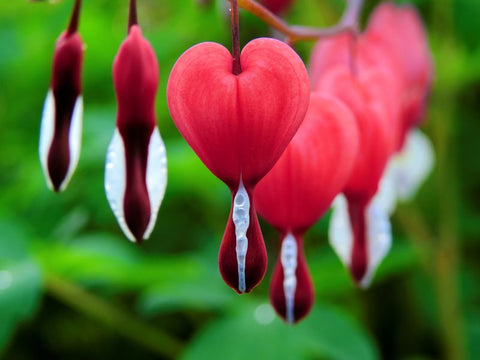
This romantic-looking flower is surprisingly toxic.
Is Bleeding Heart dangerous to touch or eat?
Yes. Ingesting it can cause tremors, nausea, and skin irritation.
Safety tips:
- Decorative use only
- Wash hands after contact
Flying Duck Orchid

Rare and visually fascinating, but still not safe to consume.
Why should you be careful?
Some orchids can cause skin irritation and allergic reactions.
Safety tips:
- Avoid touching rare orchids in the wild
- Admire without handling
English Broom
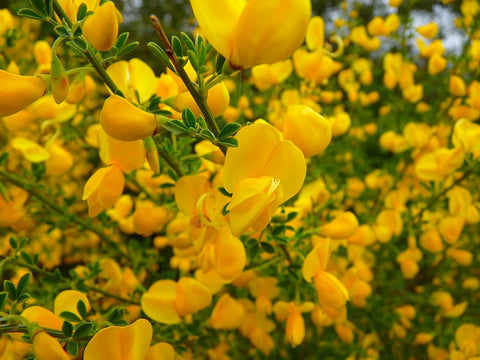
Bright yellow flowers hide toxic seeds.
Why is English Broom dangerous?
Seeds contain alkaloids that are toxic if ingested.
Safety tips:
- Do not allow pets to chew on it
- Avoid planting near edible gardens
Nerium Oleander
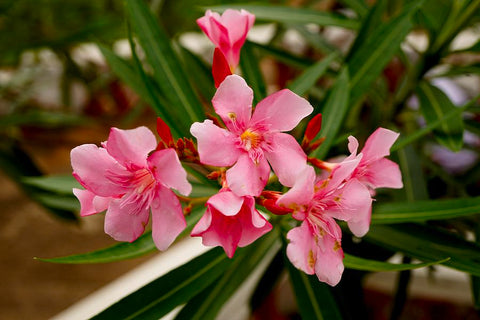
One of the most commonly planted yet highly toxic shrubs.
Why is Oleander so dangerous?
Every part of the plant is poisonous, even smoke from burning branches.
Safety tips:
- Never burn oleander
- Avoid planting in homes with pets or children
Aconitum

Often called “the queen of poisons.”
Is it safe to grow Aconitum at home?
No. Even skin contact can be dangerous.
Safety tips:
- Do not grow without professional knowledge
- Always use protective gloves
Angel’s Trumpet

Beautiful fragrance, extremely toxic.
Why is Angel’s Trumpet dangerous?
Contains hallucinogenic and poisonous compounds.
Safety tips:
- Avoid indoor placement
- Never ingest any part
No matter how much you like fauna, it’s not a good idea to pick every new blossom you find. Such a rule can save your life. However, most of the plants are safe and appealing. You can savor their beauty without fear of being poisoned.
FAQ
Is it safe to grow poisonous flowers at home?
Some can be grown safely if handled carefully, but they are not recommended for homes with children or pets.
What should I do if I touch a toxic flower?
Wash your hands immediately and avoid touching your face.
Are poisonous flowers dangerous to pets?
Yes. Many toxic plants are more dangerous to animals than humans.
Conclusion
Beautiful flowers can be dangerous if handled without knowledge. Understanding which plants are toxic helps you stay safe while still enjoying nature’s beauty. When in doubt, admire from a distance and always prioritize safety.
9 comments
The Flying Duck Orchid is not poisonous to humans, dogs or cats… No Orchids are, despite lots of folklore suggesting they are.
Excellent informative article. Thanks
Good information..but Text in Malayalam
Name of plant…and description…
I read your blog. Having very use full information help me a lot. And you can check flowers names in Hindi .
nice blog and if you want to send premium Flower Delivery in Australia then Interflora.in is the best florist in Australia.